Step-by-Step Roadmap for Backend Developers: 2026 Guide
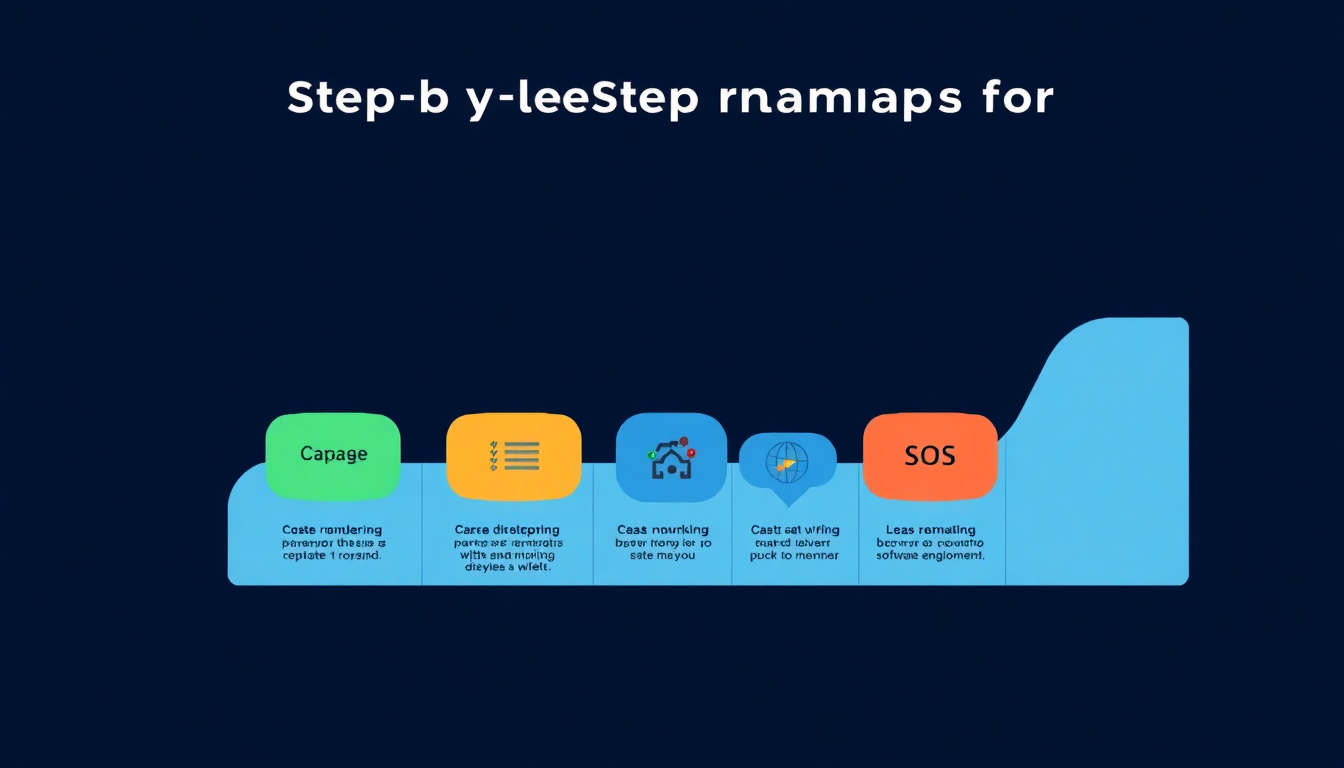
Becoming a backend developer represents one of the most rewarding career paths in modern technology. This step-by-step roadmap for backend developers provides a clear learning path from absolute beginner to job-ready professional. Whether you are transitioning careers, fresh out of school, or simply curious about server-side development, following this structured approach will help you build the skills that employers actually value.
The journey from novice to employed backend developer typically takes between nine and eighteen months of consistent study and practice. While this timeline might seem lengthy, the investment pays dividends through high earning potential, strong job security, and engaging technical challenges. Backend developers enjoy some of the highest salaries in software engineering, with median compensation exceeding one hundred seventy-five thousand dollars annually in the United States.
🎯 Career Insight
Backend developers tie for the highest median salary among all developer specializations. The deep technical knowledge required for server-side development creates strong demand and excellent compensation for skilled practitioners.
Understanding Backend Development
Before diving into the learning path, it is essential to understand what backend development actually entails. Backend developers build and maintain the systems that store, process, and secure data used by websites and applications. While frontend developers control everything users see and interact with directly, backend developers work on servers, databases, and application logic that powers the entire experience.
This role attracts developers who enjoy working on problems involving algorithms, data structures, natural language processing, databases, and distributed systems. Backend roles prioritize understanding how systems behave under load rather than how they look on screen. If you find satisfaction in solving complex technical challenges and building robust infrastructure, backend development likely suits your interests.
The distinction between frontend and backend is not merely technical but reflects different mindsets and skill sets. Backend developers need strong computer science fundamentals, as their work directly impacts application performance, security, and scalability. This depth of technical knowledge is one reason backend skills stay in such high demand across industries.
Phase 1: Learn Basic Coding Skills
Every backend developer journey begins with learning to code. Your goal at this stage should be understanding the basic syntax of one programming language. Python serves as an excellent starting point due to its elegant, readable syntax and gentle learning curve. However, JavaScript, Java, or Go also work well as first languages depending on your ultimate career goals.
Focus on fundamental programming concepts rather than language-specific features. Variables, data types, comparison operators, loops, functions, and basic data structures form the foundation upon which everything else builds. These concepts transfer between languages, so time invested here pays dividends throughout your career.
Core Concepts to Master
Begin with variables and data types, understanding how programs store and manipulate information. Learn comparison operators and conditional logic to make decisions in code. Master loops for repetitive tasks and functions for organizing code into reusable blocks. These fundamentals appear in every programming language and every backend application.
Practice is essential during this phase. Work through coding exercises, build simple console applications, and experiment with different approaches to solving problems. The goal is not immediate mastery but getting comfortable writing code and understanding how basic pieces fit together. This comfort with programming fundamentals enables everything that follows.
Phase 2: Master Data Structures and Algorithms
Once you can write basic programs, the next step involves deepening your computer science knowledge. This phase usually takes longer than learning syntax but proves crucial for backend development success. Your goal should be learning common algorithms and data structures that enable efficient problem-solving.
Backend interviews are often full of questions on this topic because they test understanding rather than copy-pasting ability. As a backend developer, your job involves making sure server code is fast and performant. Understanding how different data structures affect performance and which algorithms solve specific problems efficiently separates competent developers from exceptional ones.
Essential Data Structures
Study arrays, linked lists, stacks, queues, trees, and hash tables in depth. Understand the time and space complexity of operations on each structure. Learn when to use which structure based on the problems you are solving. This knowledge directly impacts the performance of applications you will build.
Algorithm study should cover sorting, searching, graph traversal, and dynamic programming. Do not simply memorize implementations. Focus on learning how to think through problems, recognizing patterns, and selecting appropriate approaches. This analytical thinking is less about memorization and more about developing problem-solving intuition.
Phase 3: Learn Web Fundamentals
With programming fundamentals established, your next goal is understanding the client-server model that underlies all web applications. You should emerge from this phase able to explain how requests move from a browser to a server and back, what HTTP methods do, and why backend developers are essential to web applications.
Study the basics of how the internet works at a networking level. Learn about IP addresses, DNS, ports, and protocols. Understanding these foundations helps debug issues when applications behave unexpectedly and enables intelligent conversations about architecture decisions.
Frontend Basics for Backend Developers
While your goal is backend specialization, learning basic frontend development helps you understand the complete web application stack. Build a few simple frontend projects using HTML, CSS, and JavaScript. This experience helps you understand what frontend developers need from backend APIs and how data flows through complete applications.
You do not need to become a frontend expert, but understanding the basics makes you a more effective backend developer. You will design better APIs when you understand how they will be consumed. You will communicate more effectively with frontend team members. This broadened perspective accelerates your professional growth.
Phase 4: Build Simple Web Servers
Now that you understand coding fundamentals and web basics, it is time to start building actual backend applications. Pick one or two languages to specialize in rather than trying to learn everything. Specialization makes your job search easier because companies hire experts for specific needs, not generalists with surface-level knowledge across many technologies.
Popular backend language choices include Python with Django or FastAPI, JavaScript with Node.js and Express, Java with Spring Boot, or Go with Gin or Echo. Each combination has strengths and weaknesses, and all can support successful backend development careers. Choose based on job market demand in your area, personal interest, or existing skills.
Your First Backend Projects
Build simple web servers that serve a purpose. Create an API for something fun, like a clone of a popular service or a backend for a hobby project you care about. Start with JSON files or in-memory storage rather than immediately adding database complexity. Focus on understanding routing, request handling, and response formatting.
Implement basic authentication to understand security concepts. Learn about middleware, error handling, and logging. These foundational skills appear in every backend application regardless of language or framework. Mastering them in simple projects prepares you for complex production systems.
Phase 5: Database Fundamentals
Almost every backend server in the world uses one or more databases to store information. Database skills are non-negotiable for backend developers, and strong database expertise significantly increases your market value. This phase focuses on understanding how to model data, write efficient queries, and connect databases to your backend applications.
Start with relational databases, specifically PostgreSQL, which has emerged as the industry standard for new applications. Learn SQL thoroughly, understanding how to create tables, insert data, query information, and manage relationships between different data entities. SQL skills transfer between database systems and remain valuable throughout your career.
SQL Mastery
Study database design principles including normalization, indexing, and query optimization. Understand transactions and ACID properties that ensure data integrity. Learn about joins, subqueries, and aggregate functions that enable complex data retrieval. Practice writing queries that efficiently retrieve exactly the data you need.
After gaining SQL proficiency, explore NoSQL databases like MongoDB or Redis at a high level. Understanding when to use different database types and how they differ from relational systems prepares you for diverse architectural scenarios you will encounter professionally.
Connecting Databases to Applications
Upgrade your earlier projects to use real databases instead of in-memory storage. Learn about Object-Relational Mappers (ORMs) that simplify database interactions in your chosen language. Understand connection pooling, migrations, and database deployment considerations. These practical skills demonstrate readiness for professional development work.
Phase 6: Deploy Projects to Portfolio
Building projects is only valuable if you can demonstrate them to potential employers. Deployment proves you can build real software and gives you production experience that separates you from tutorial-followers. This phase focuses on getting your applications running on real servers accessible via the internet.
Learn about cloud platforms like AWS, Google Cloud, or Azure. Understand basic server management, environment configuration, and deployment processes. Containerization with Docker has become standard practice, so learning to containerize applications and deploy them using container services significantly enhances your employability.
Building Your Online Presence
Create a professional portfolio website showcasing your projects. Write about what you built, why you made technical decisions, and what you learned. This documentation demonstrates communication skills and technical depth that employers value. Include links to deployed applications, source code repositories, and any technical writing you have done.
The big secret to landing a backend job as a self-taught developer is building an online presence that showcases your work. Employers need evidence that you can deliver, and deployed projects provide that proof. Invest time in making your portfolio professional and easy to navigate.
Phase 7: Job Search and Career Growth
With solid fundamentals, completed projects, and a professional portfolio, you are ready to begin your job search. This final phase involves applying consistently while continuing to improve your skills. The job search itself is a learning process that hones your interviewing abilities and clarifies your career goals.
Use every job board you can find, targeting positions that match your technology stack. Do not limit yourself to major platforms like LinkedIn and Indeed. Specialized job boards for specific languages or remote work can uncover opportunities that receive fewer applicants. Tailor your resume and cover letter for each application, highlighting relevant projects and skills.
Interview Preparation
Backend interviews typically include coding challenges, system design discussions, and behavioral questions. Practice coding problems on platforms like LeetCode or HackerRank, focusing on the data structures and algorithms you studied earlier. Prepare to discuss your projects in detail, explaining your technical decisions and what you would do differently with hindsight.
Study system design fundamentals even for entry-level positions. Understanding how to architect scalable applications, even at a basic level, differentiates you from candidates who only know syntax. Be ready to whiteboard simple architectures and discuss trade-offs between different approaches.
Continuous Learning
Landing your first job is not the end of your learning journey but the beginning. Technology evolves rapidly, and successful backend developers commit to continuous skill development. Stay current with industry trends, learn new tools as they emerge, and deepen your expertise in your chosen specialization.
Consider advanced topics like microservices architecture, message queues, caching strategies, and distributed systems as you gain experience. These specialized skills command premium salaries and open doors to senior positions. The backend developers who advance fastest are those who never stop learning.
Additional Skills for Production Environments
While following the core roadmap, several additional skills make backend developers more effective in real production environments. Version control with Git is essential for collaboration and code management. Learn branching strategies, pull requests, and collaborative workflows that professional teams use daily.
Command line proficiency saves time and enables automation. Every backend developer should be comfortable navigating filesystems, managing processes, and writing basic shell scripts. These skills might seem mundane but prove invaluable when debugging production issues or automating repetitive tasks.
Security Awareness
Security cannot be an afterthought in backend development. Study common vulnerabilities like SQL injection, cross-site scripting, and authentication flaws. Learn about encryption, secure coding practices, and security testing. Applications you build will handle sensitive user data, and protecting that data is a fundamental responsibility.
Understanding of DevOps practices increasingly falls within backend developer responsibilities. Learn about continuous integration, continuous deployment, infrastructure as code, and monitoring. These skills blur the line between development and operations, making you more valuable to employers who want versatile team members.
Timeline and Commitment
The complete journey from beginner to job-ready backend developer typically requires nine to eighteen months of consistent part-time study. This timeline assumes approximately ten focused hours per week dedicated to learning and building. Those who can dedicate more time or have prior programming experience may progress faster.
Consistency matters more than intensity. Regular daily practice builds skills more effectively than sporadic intensive sessions. Set achievable goals, track your progress, and celebrate milestones along the way. The journey is challenging but entirely achievable for motivated learners.
Conclusion
This step-by-step roadmap for backend developers provides a proven path from complete beginner to employed professional. By following these phases in order, building real projects, and maintaining consistent effort, you can join the ranks of well-compensated backend developers building the infrastructure that powers modern applications.
Remember that the goal is not checking boxes on a list but developing genuine competence that employers will pay for. Focus on understanding rather than memorizing, building rather than just reading, and delivering working software rather than collecting certificates. The developers who succeed are those who persist through challenges and continuously improve their craft.
Backend development offers a rewarding career with excellent compensation, strong job security, and intellectually engaging work. The investment you make in learning these skills will pay dividends throughout your professional life. Start with the basics, follow this roadmap consistently, and you will be amazed at how far you can progress.
The technology industry needs more skilled backend developers, and there has never been a better time to enter this field. Begin your journey today, and within a year you could be writing the server-side code that powers applications used by millions of people around the world.